Coin Tavern Cross-Faction Builds
Bridge Humans, Monsters, Beasts, and Machines for combos pure single-faction decks cannot reach.
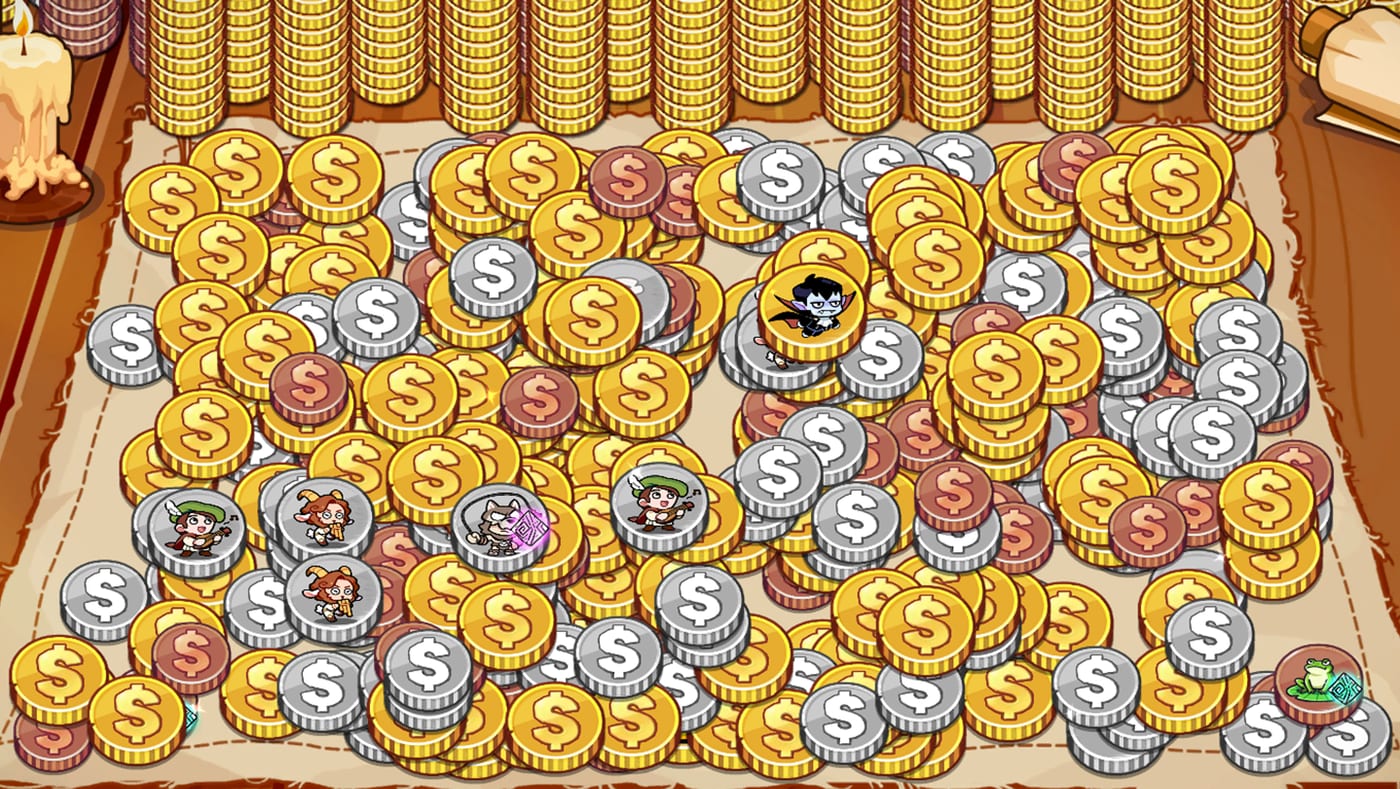
Coin Tavern advertises four factions — Humans, Monsters, Beasts, and Machines — but the strongest runs rarely stay pure after the first shop. Cross-faction builds deliberately combine two (sometimes three) identities so coin effects trigger off each other’s tags, reflips, and payouts. Woven Dream Isle designed the pool for these bridges; Steam page copy explicitly highlights cross-faction combinations as a major creative space.
Cross-faction is not random mixing. It is a plan: pick a primary engine faction, add a secondary faction that supplies what the primary lacks, and draft relics that reward both tags. This guide explains proven bridge patterns, when to pivot, and how cross-faction lines interact with debt targets and combo timing.
Why Cross-Faction Beats Pure Themes
Pure Human economy can stabilize gold but stall ceiling. Pure Monster variance can spike one round and whiff the next. Pure Beast growth needs time. Pure Machine reflips need payoff coins to retrigger. Bridges cover weaknesses: Machine reflips extend Beast growth turns; Human economy banks gold while Monster coins swing for big hits; Monster self-destruct payoffs feed Beast duplicate synergies.
The cost is deck size and clarity. Every bridge coin must earn its slot — see Deck Management — or cross-faction becomes unfocused soup.
Bridge Pattern: Machine Engine + Human Economy
Machine coins often supply jump, reflip, and deterministic setup. Human coins tend toward steady gold and shop-friendly payouts. Together they produce rounds where reflips fire repeatedly while baseline income keeps you safe if a chain breaks mid-stage.
Shop priority: grab one reflip or jump tool first, then Human stabilizers, then payoff coins that care about flip count. Relics that add flips or bonus gold per trigger amplify this pair hard.
Compare role rankings in Coin Archetype tiers and relic picks in Relic Archetype tiers.
Bridge Pattern: Beast Growth + Monster Variance
Beast lines frequently scale across flips or reward duplicates. Monster coins often carry high-variance payouts or destroy-after-payoff effects that spike a round. The bridge accepts variance in exchange for explosive clears when growth stacks align.
Play safer debt pacing early — see Economy Builds — until growth coins appear. Do not force this bridge if shops offer only low-impact Beast tokens without scaling text.
Bridge Pattern: Human Shop + Monster Spike
When tickets and hammers appear often, Humans convert gold into deck quality while Monsters provide the turn that overshoots the debt target. This hybrid loves relics that discount shops or reward spending, but shop greed still kills runs if you forget the target math from How to Beat Stages.
Bridge Pattern: Triple-Faction Splashes
Three-faction splashes work late when relics already define your engine and one-off bridge coins slot in without diluting draws. Early triple splashes usually bloat decks. Rule of thumb: two factions until stage three unless a relic explicitly rewards three tags.
Relics That Enable Cross-Faction
Look for relic archetypes labeled faction enablers or amplifiers on the Relics page — bonuses when multiple factions flip in a round, extra gold per faction type in deck, or triggers when a coin destroys itself after payoff. A cross-faction relic with one matching coin is a signal to shop toward the second faction.
If relic offers conflict with your bridge plan, take the relic that fixes debt safety first. Dead runs help no archetype.
Combo Execution
Cross-faction combos often depend on ordering — setup coin before payoff coin before reflip trigger. How to Combo covers jump chains; cross-faction adds the step of tagging checks between factions. Slow down in late rounds when one mis-ordered flip wastes a retrigger.
When Not to Force Cross-Faction
Skip bridging if shops never offer a secondary tag and relics reward pure Machine or pure Human instead. Pivot to Best Builds single-faction engines rather than buying unrelated coins “for later.” Also skip if you are already behind on the target — stabilize with pacers first.
Planning a Bridge Run
Use the Deck Planner to name primary and secondary factions plus two role slots (engine + pacer). During the run, update mentally when shops surprise you. Track What’s New after patches; faction tag changes move bridge value quickly.
Tier Context
Cross-faction bridges sit in A to S territory on the Build Strategy Tier List when supported, but B-tier when forced without relic backing. Rankings shift with patches — community-informed, not official.
Cross-faction mastery is Coin Tavern’s long-term skill ceiling. Learn the loop in Guides, then return here when you want runs that feel authored rather than accidental.
Frequently Asked Questions
Quick answers to the most common questions.
How many factions should a cross-faction build use?
Usually two primary factions until mid-run. Add a third only when relics reward it or one-off bridge coins fit without bloating the deck.
Which faction pair is strongest?
Machine plus Human and Beast plus Monster are common high-ceiling pairs at launch, but shop and relic luck matter. No pair is always best.
Do cross-faction builds need specific coin names?
No. Look for roles — reflip tools, growth scaling, economy stabilizers — with the right faction tags when shops offer them.
Can beginners play cross-faction?
After learning debt pacing in How to Play and Beginner Tips. Start with two-faction bridges before triple splashes.
Where are cross-faction combos ranked?
See the Build Strategy and Coin Archetype tier lists; both note that rankings shift with Steam patches.